Literacy Land: motivation

Showing posts with label motivation. Show all posts

How to Use Top 20 Book Lists to Motivate and Excite Readers

Wednesday, April 20, 2016


What do you think qualifies a book for a 
"Top 20" list? 

Trendy Topic?
Eye catching cover?
Vivid Vocabulary?
A Plot like No Other?
Amazing facts?

Probably all of the above.

For today's post, we're going to explore those Top 20 lists a bit, see whether they are must haves, and how they can add to the learning in your classroom.
Do you frequently check out the Top 20 book lists at your favorite stores? How about using them in the classroom? Check out this post on Adventure in Literacy Land for ways you can motivate your readers with Top 20 lists.
Have you wondered where you find Top 20 Lists and who makes them? Does that make a difference? You betcha! After all, if the reader is a child, it might be wise to get a child's point of view I'd think. If you think about Trip Advisor or other sites that do rankings, they typically have some criteria for their decisions and expertise in the field. Some top 20 lists may be done by sales while others may be judged by librarians or site managers.  Regardless of how the lists are formed, they do highlight new titles for us. They are great ways to learn about what's new in children's literature and if you purchase them, it gives you a chance to do a little "market research" for yourself to see if they really measure up. Not willing to let loose of the cash? Maybe pull them from the library first to see for yourself.

Do you frequently check out the Top 20 book lists at your favorite stores? How about using them in the classroom? Check out this post on Adventure in Literacy Land for ways you can motivate your readers with Top 20 lists.
Before I move on with this post, I feel like I should share that the idea for this post came when I visited Amazon this last weekend. I discovered the Top 20 lists in the children's book section on the site. Well, I am a book hound, so I had to check the lists out. You know there might be a title that I DON'T have (gasp!), so I went to take a peak, and here's what I found. This is the book list for ages 6-8. At first, I thought it was a list from the New York Times, but then I found it was the Amazon Editor's list. It does not say what the selection criteria was, so I'm not sure if it's based on sales, choices the editors liked, or if there was an evaluation process. Even though I'm not sure how the books were selected, I did notice common themes..animals, adventure, and make-believe. I also noticed a few favorite authors and book series including Pete the Cat, Amelia Bedelia,and Francine Poulet. Mo Willems also made the list, but there are also lots of unique looking books too. I am very curious about Nerdy Birdy, The Whisperer, and Escape from Baxter's Barn. Out of this 20 book list, only five or six were familiar to me, and I love that because now I have new options to look for in the coming months.

So, how can the enthusiasm we get when we see or hear about new titles translate into classroom enthusiasm?  Ultimately, that is the reason for the book lists. The goal is to build excitement about the books and more importantly, getting the books into the hands of kids.

TOP 20 IDEAS FOR THE CLASSROOM
Looking through Amazon's Top 20 list got my teaching wheels going. I had flashbacks to Lettermen's Top 10 Lists. Remember those??  We found them interesting and funny. I hope as you scan through these ideas, your teaching wheels get going too.

Create Room __'s  Top 20 Best Books for 2015
Take your class into the library for a Top 20 analysis session. Prior to the visit, develop a selection criteria with the group. You might set a page range, publishing year (of course), characteristics the students agree upon, and time limit prior to going, and once in the library, you'd want to have forms available for the students complete in order to keep them accountable. You might pair your students to allow for deeper discussion and comparison. You could have each pair of students come up with two books they'd put on the list which would ideally end up being around 20 books total. You could gather up the books and allow the students to "visit them" throughout the following week and then rank them in the order they feel is best.
Develop Top 20 Book Lists by Genre
After you've developed overall winner lists as a group, you might move on to genre lists. Kids have reading preferences, so tapping into those can lead to better book selection later on. In fact, I'd divide into groups based on the books that the kids prefer. Again, you'd want to establish the selection criteria and how the researching will be done. (Do you allow kids to search the internet? In the library? or do it by polls?) Once the time limit is up, then it's time to narrow by analyzing those in the first "selection round". You might even compare this experience to the NBA draft. :-) Secretly though, you're developing a reader's eye for book selection and providing kids with a mental list of what they want to read next.
Real Readers Need Personal Lists
After experiencing these first two options, you can then focus on reader plans. Real readers need ongoing lists of what to read next. If you remember, we've had a few posts about Donalyn Miller's 50 Book Challenge, and I think Top 20 Lists feed right into it. Your kids can keep and revise their Top 20 list all year long. Imagine how fun it'd be to compare the list at the beginning of the year and at the end of the year. My guess is that it will change as the year goes, don't you think?

I read recently as I was researching and thinking about a blog post I wrote about deep thinking that classifying and categorizing information is one great way to work on deep thinking. Throughout the list making process, your kids will be using the following skills:
    Do you frequently check out the Top 20 book lists at your favorite stores? How about using them in the classroom? Check out this post on Adventure in Literacy Land for ways you can motivate your readers with Top 20 lists.
  • comparing across texts specific features you've agreed upon.
  • analyzing the text features of the books including plot and character development, vocabulary usage, and creativity.
  • observing through the writer's eye which may lead to improved writing skill.
  • learning about new titles and authors
  • using library tools to look for their books
What skills would you add to this list?  How would you change up the idea or use Top 20 lists?  (please share in the comments). 

To get you started, I created a quick freebie to share with you using some of the ideas shared above. I hope it works well for you and that you see lots of excitement from your students after you give it a try, and better yet, I hope it gets them headed to the library with new book list ideas.



0

Project Based Learning...Good for One, Good for ALL

Wednesday, March 16, 2016

We often talk about how a one-size-fits-all curriculum just doesn't work in education, but today I'm hear to share with you that one instructional practice. Project Based Learning, or PBL, IS good for one learner, but it's also good for ALL learners.
Project Based Learning is GREAT for all students. Visit this post on Adventures in Literacy Land to read about the research supporting it, benefits for students, and how to get started.
Recently, I was able to hear Nell Duke, a leading researcher in the area of reading, speak on the topic of engagement. We know that engagement is more important than ever with the increased demands our standards bring, and we know what happens when you give challenging work to students who aren't interested in doing it, right? ONE ANSWER...Project Based Learning.

Duke says, "If you care about kids' interests, skills, and background knowledge, you'll get better comprehension results." She cited Jerry Brophy's study on ways teachers motivate kids. According to his study, teachers should:
Model interest in learning
Induce curiosity and suspense
Make abstract concepts concrete through demo lessons
Make the lesson objective clear to the learner 
Provide informative feedback 
Adapt tasks to interests
Give choice for tasks 
How does Project Based Learning mesh with these?  Why does Duke feel PBL is the way to go? Well, she began by describing a PBL experience that was done with 3rd grade students. The teacher introduced the idea with a read aloud about pesky animals such as earthworms, spiders, bats, and snakes in the book, Animals Nobody Loves by Seymore Simon. (Would this build curiosity and suspense? Yes.)  
Then, the students selected animals that they wanted to research further. (Would this be adapted to student interest? Yes.) Once the research part was complete, the students were asked to persuade others to LOVE the pesky animal and create a project that demonstrated WHY they should. (Would this task allow choice? Yes.) (Will students get immediate feedback? Yes.) Doesn't this sound like fun? As she described this project, I thought about how excited my students would be doing a project like this. The most interesting point she made though was that this was offered to ALL students in a low SES school. The results were very, very positive, and here is why.

Project Based Learning...

takes an extended period of time
achieves a purpose beyond school requirements
uses different learning styles (building, creating, answer deep questions)
is interdisciplinary
offers choice and voice
integrates reading and writing
taps into student interests, beliefs, and attitudes
is linked to standards (research strand is ideal)
gives students purpose for reading
AND allows students to reach a NEW audience

We know when students have a deep desire to read challenging texts, motivation will help them push through to complete it. We also know that reading multiple texts on the same topic deepens understanding of the content as well as related vocabulary too, so there is certainly research to support using PBL with ALL students.

How to Get Started

To prepare for this post, I reached out to my blogging friends to find additional blog posts and resources that teachers could use. First, I'll share posts for additional reading. If you are just getting started, you are sure to have lots of questions. These posts will hopefully take care of those and help you see a few more PBL examples.

This post is from Matt at Digital Divide and Conquer, and if you visit Matt's blog, you'll find a plethora of resources as well as informational posts on PBL I liked this post for explaining step by step how to dig into it. It's a MUST read, and his PBL units have been recommended by several who have used them.

PBLArticle
This post from Performing in Education explains what PBL is, how it looks for teachers and students, what the process is, and (lucky you), it includes a sample resource. 

Cyndie at Chalk One Up for the Teacher has jumped into the PBL pond, and explained a PBL experience she had with her students. I just loved this example, and I know my students would love it too.  This one is a great example of PBL in the primary grades. Cyndie's students began with reading books in The Magic Treehouse series, and these books led to "inquiring minds". Having a leading question is important because it drives the exploration. Be sure to check this out if you're teaching grades 1-3.

Finally, I had to share this project from my friend, Sandy at Sweet Integrations. She has quite a few PBL sets in her store, and this post on her blog really caught my attention because we've read about the Iditarod with my fifth grade groups. The kids read Stone Fox in early fourth grade, so they had a little schema for dogsled racing. I had also used the book, Dogteam by Gary Paulsen for descriptive writing, and we had read a Close Reading article about the Iditarod too. Sandy's project would have been so perfect for them. (another year I guess) Anyway, she offers great ideas in her post about it if you think your students would be interested in learning more.


Free Sets to Get Started

Insect Intrigue, PBL SamplerShark Security Force! Project Based Learning:  Freebie EditionThe Leprechaun: Project Based Learning, Lucky Charm Edition
    
Project Based Learning - Holiday Tea   Project Based Learning: Teacher for a Day Fractions, Decim
Now, doesn't this sound like fun? Remember, Project Based Learning is not just a teaching idea for your Talented and Gifted students. Project Based Learning is a great technique for ALL. 

Have a great day, and I'll see you next month. 


1

Silent Reading Partners

Thursday, February 25, 2016
Reluctant readers versus avid readers.  We all have them.  We work hard to keep the avid readers excited and challenged.  We work hard to get the reluctant readers excited and challenged.

How do we do this?  In so may different ways.  Engaging lessons, book choice, celebrated successes, providing books of interest, book clubs...the list goes on.  And I know as teachers, we will never stop searching for those ways to excite, engage, and challenge.

To become better at anything in life, we need practice.  To become a better reader, students need to read.  And some of our reluctant readers don't read as often because they feel that they can't or that it is too hard.  They need to feel successful and there is something to be said about reading without any judgements being made. Silent reading partners can provide this.


This past week my daughters participated in a "Tail Waggin' Tutors" program at our local library.  The energy was at all-time high in our home before and after the event.  They each picked out a book to take with them and they read to two dogs each.  Bookmarks with a picture of the dogs were in each of their hands on the way out the door.


These silent reading partners provided both excitement and challenge to my readers.  For my youngest (kinder), she walked away with a book that she wanted to try to read to me--but would have told me prior that she could not read it.  For my oldest (firstie), she walked away eager to share her experience and tell about all the jokes she shared with the dogs.

The dogs listened.  No judgements made.

Don't get me wrong...students need to have the feedback that we provide them during guided reading groups or that parents provide when reading at home.  Students need the modeling of a choral read, echo read, or repeated reading.  Students need to hear strong, engaging read alouds.  They need to read books at their instructional and independent level.

But they also need to read because they just want to read-without judgement, without feedback-without agenda.  Just read to read.

This doesn't have to occur only through a great program that comes to the library or our schools.  Maybe it is a pet in the home or a baby sibling.  The opportunities for a silent reading buddy may already be present. 

 
At the beginning of the year, my teammate lined up all the reading buddies she had bought at garage sales over the summer.  Each student in our grade got to take home a buddy to read to each night.

Some students do not have a family member to read to, or a parent that is going to encourage read aloud time each night.  The hope is that this little silent reading partner can excite and challenge our reluctant and avid readers.

As spring begins to show its face and summer is on the horizon, I begin thinking about what I have done and what more I can do to ensure that my students keep reading.  Even when I am not there to listen.


2

5 Ways to Motivate Kids to Read in the Summer

Wednesday, June 3, 2015


Hello, everyone! It's Andrea from Reading Toward the Stars!  It's hard to believe that summer is here for me.  You may still have some time left, but it won't be long!


My son has already started to tell me that there is "nothing to do" after being two days in!  Guess what?!  He is wrong! There is an entire world out there, and so much of it can be found in books.   I am here to share five ways to motivate your students or children to read this summer.
Read on to see the five ways I motivate my own children to read, read, read!


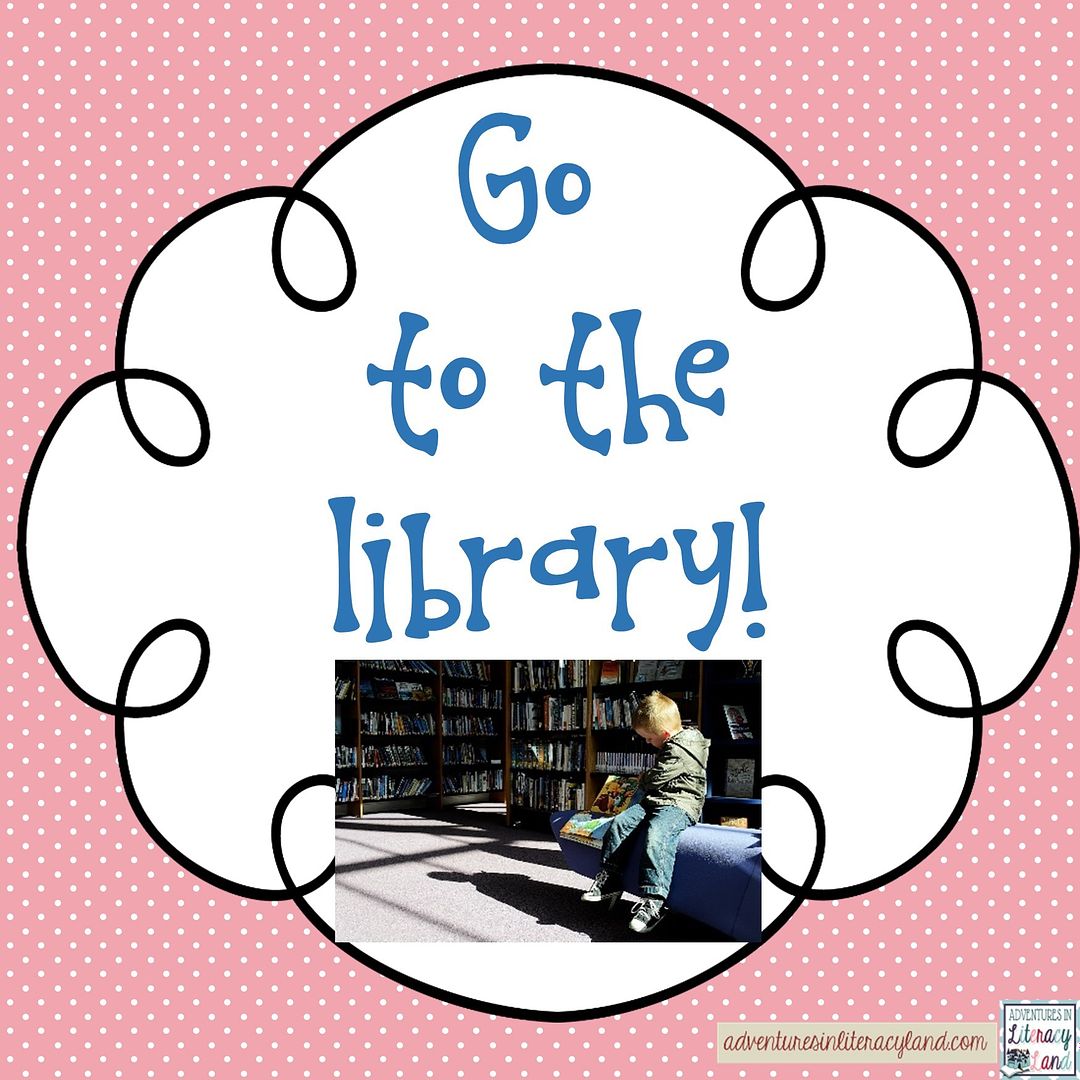
The first thing I do every summer is visit the library.  Just going to the library allows children to choose their very own books from so many books.  They are free, so if your child doesn't like a book, there is no money lost.  And most libraries have a summer reading incentive program where children can earn prizes for reading.

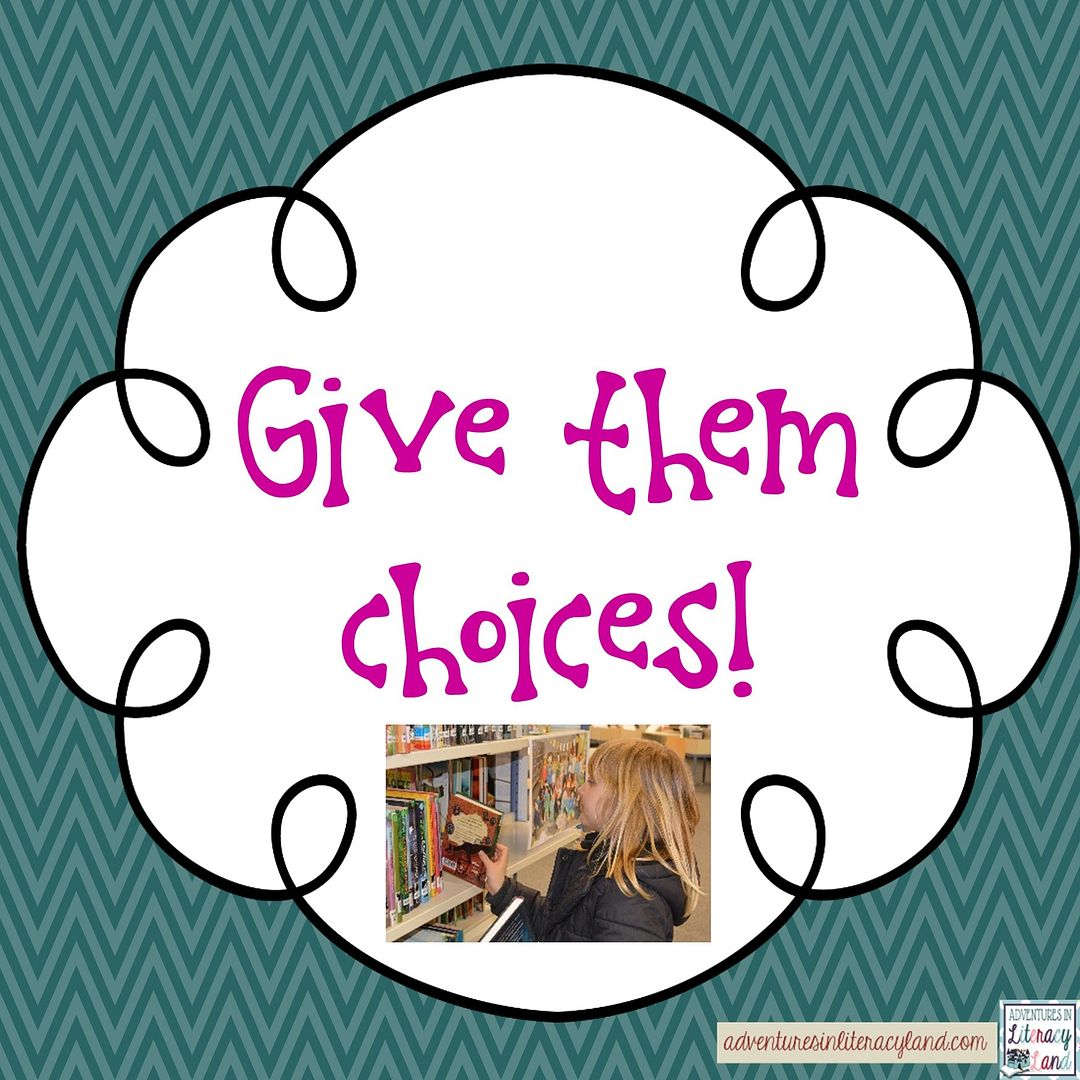
Finding that magical book or series is the moment that defines reading for students. Giving children choice helps them embrace that love of reading too.  We were given a suggested list to read, which my son turned his nose up to.  He already has his books ready for the summer. Here are a few he plans to read this summer.


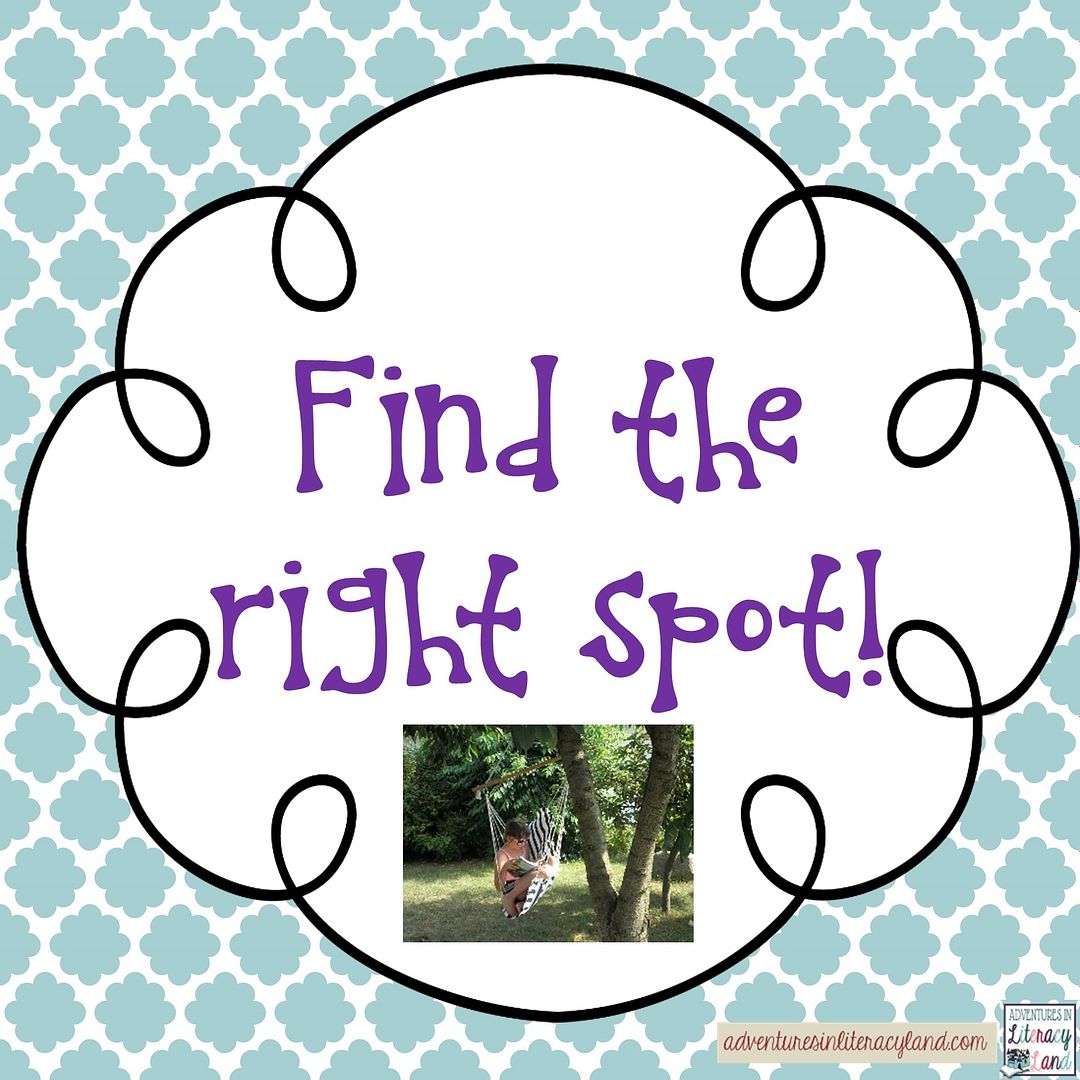
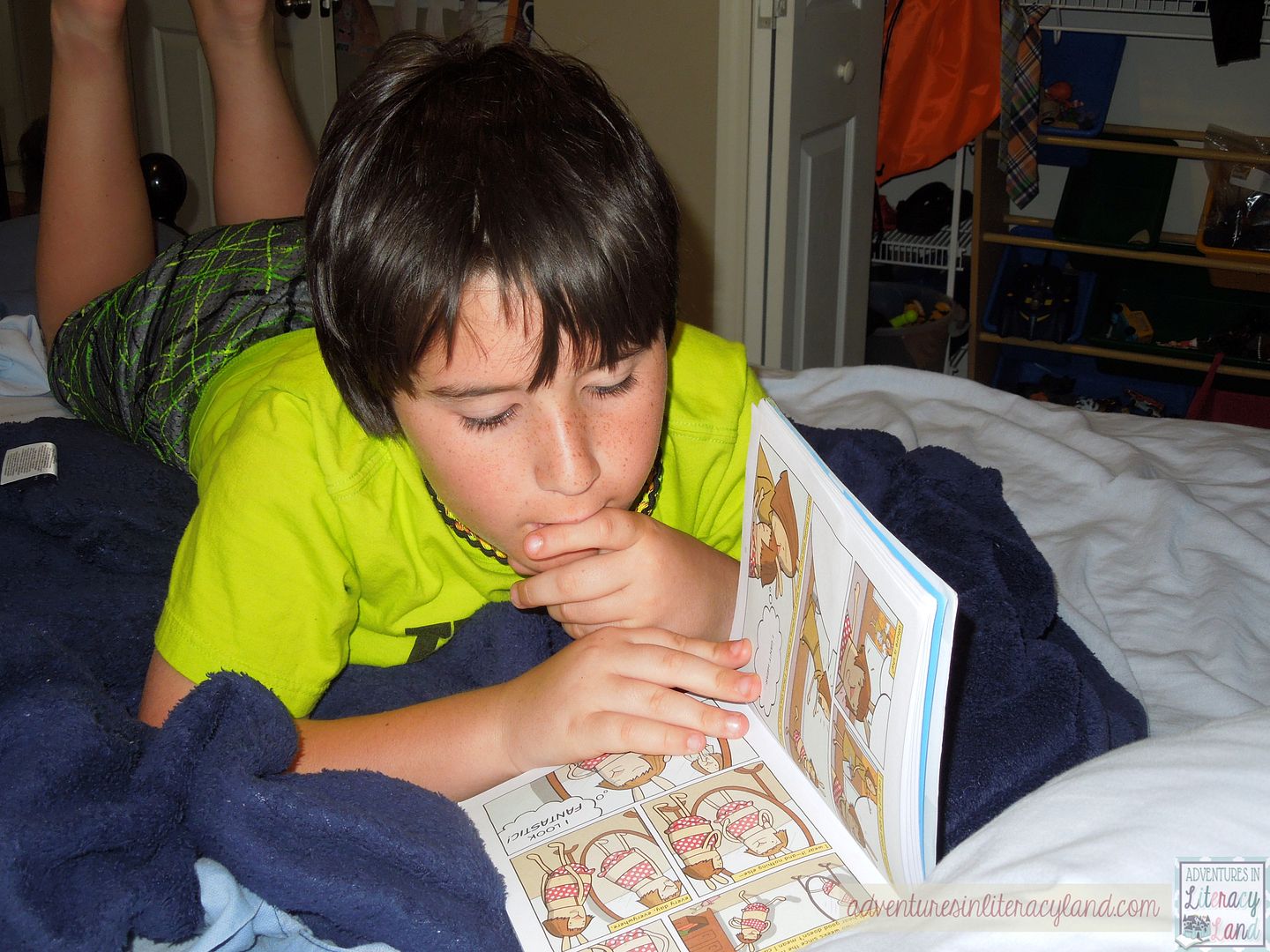
My son has to have the right place to read.  One summer he took this old box and made his reading nook.  He loved doing this and spent much of his reading time there.  He also enjoys reading in the comfort of his own bed.

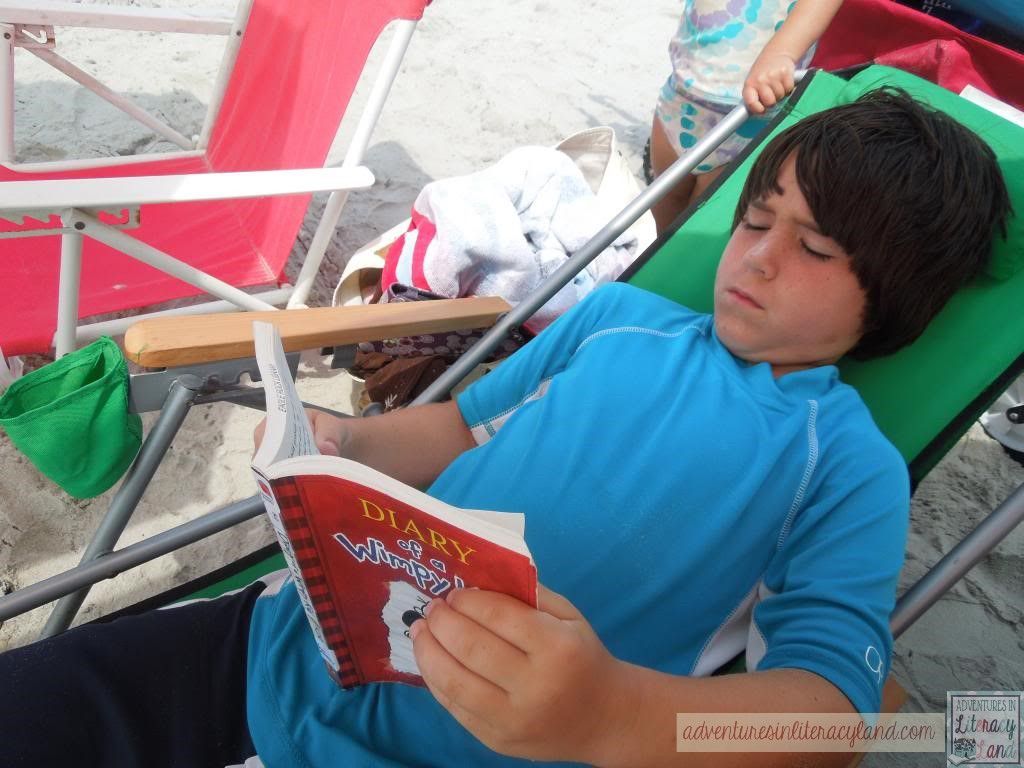
Another summer he hurt his legs at the beach and found that the beach was a perfect place to read.

The places are endless!  Go outside, stay inside, anyplace is a good place to read!

Reading socially is great for children, especially as they get older.  Now that my son can text, he and his friends can have book discussions and give recommendations.  Our next door neighbor is a middle school teacher and gives her son and my son different books to read.  After they read them, they switch and discuss.  How cool!

Another way to get kids to read socially is to form a little book club with a play date.  Children can discuss the books they have read.  Last year, Emily wrote a great post about hosting a book swap at your house or at school. This is another great way to discuss books and get new books at the same time!

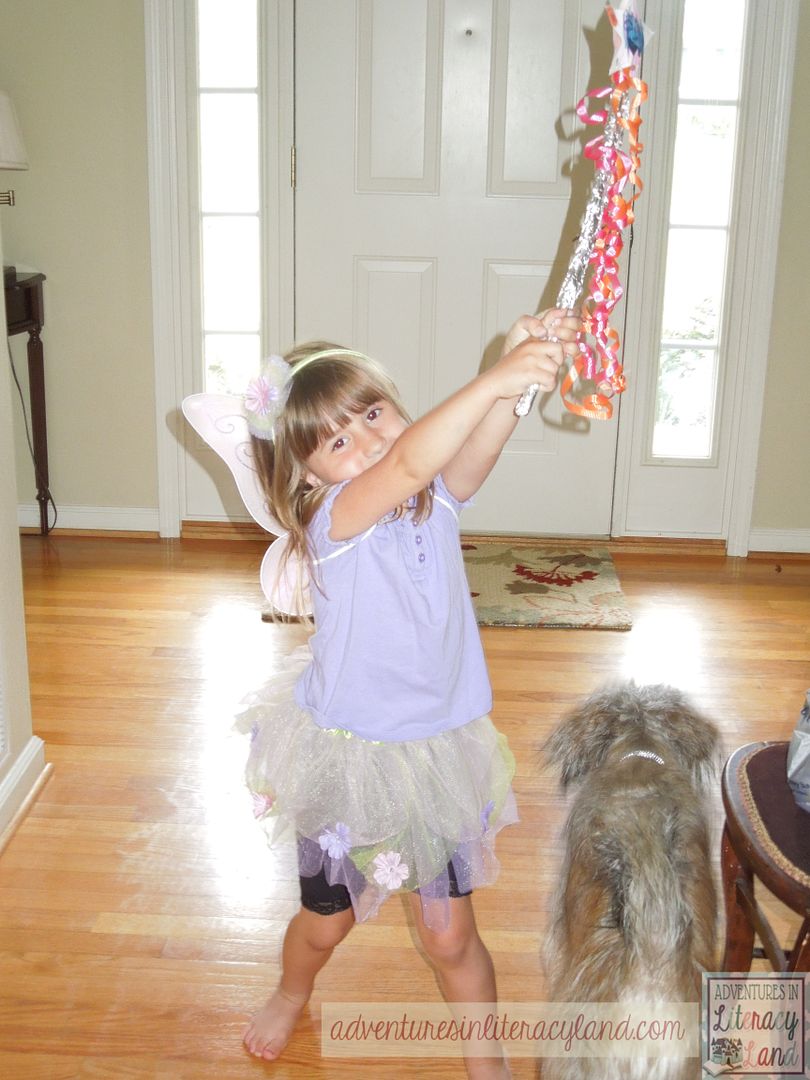
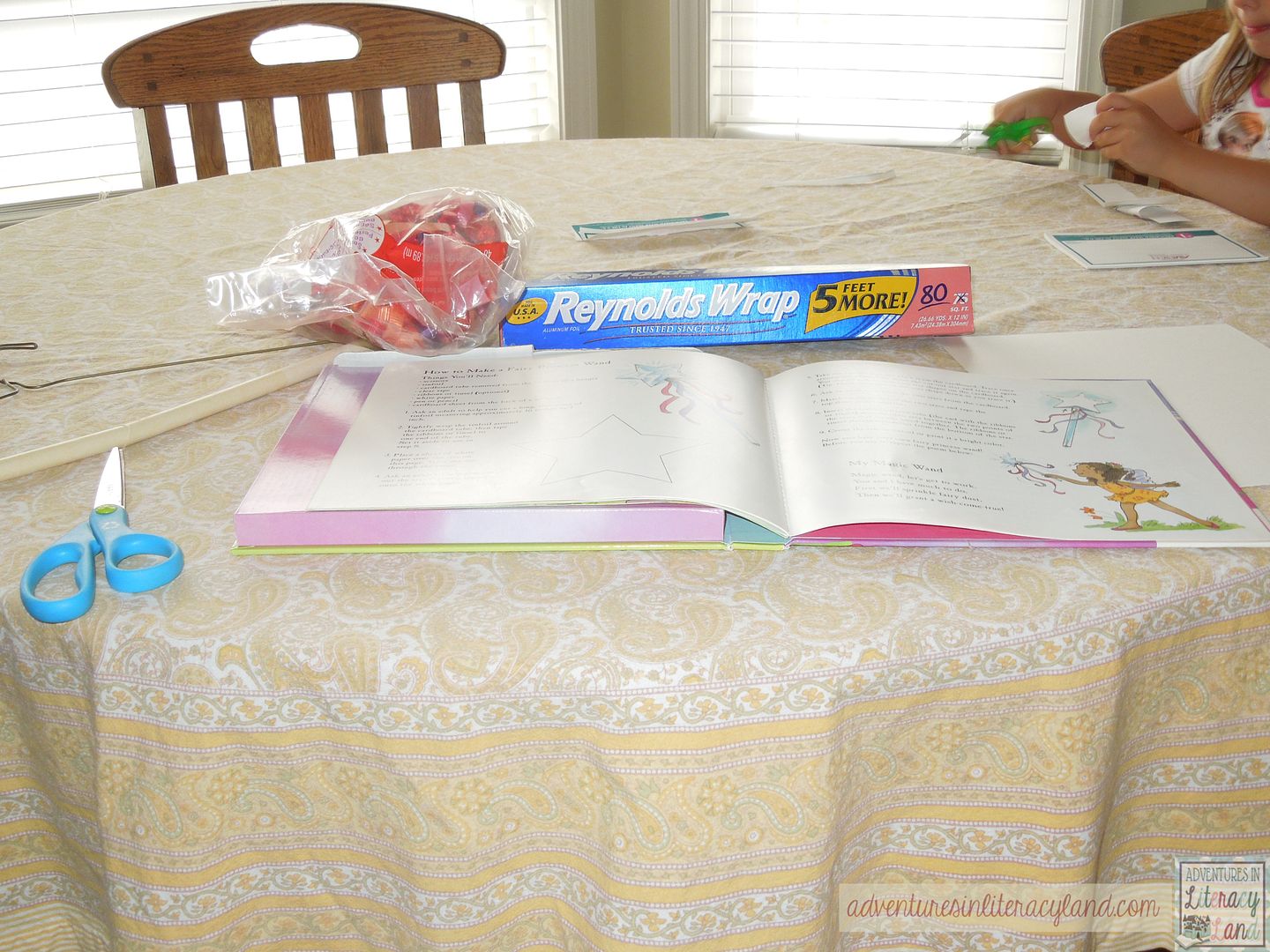
Children can read anything to be reading!  My daughter is so excited when I read directions to her, and she can help me make something.  We had so much fun making this simple wand with household items while reading directions.  It was fun, and we were able to spend time together.
 

Get books that have some summer learning experiences with them.  Go outside and learn! If your family is going camping, read about what you need to do go camping.  Does your child like Legos or Minecraft?  There are books for those too!

But, to make it fun, it can also just be fun to read and enjoy it.  No projects or essays ~ just the pure enjoyment of reading, wherever and whenever they want!  That is the best motivation!

Enjoy your summer, and don't forget to read, read, read!


0

I don't know what to write about!

Tuesday, June 2, 2015
Happy June.  I have 8 days left in school.  (If you are already out of school...don't tell me...hehe)  I'm Cathy from Cathy Collier's W.I.S.E. Owl.  Writing with emergent students is my passion.


The key to teaching writing is to take away the fear and the excuses.  "I don't know what to write about," is the worst excuse EVER!  If your students give you this excuse, you need to rethink your brainstorming activities for Writer's Workshop.

Four ideas for writing topics are as easily attained, easily implemented, and easily explained.


I am an admitted thrift store junkie.  I have some thrift stores in the area I frequent for specific things. I go to the book section first.  Can't pass up children's books for 78 cents!  I also look for word books, but that's coming later.  Then I look for "Topic Cards."  Most people know these as flashcards, but they are really topic cards in disguise.  I put the cards in a container labeled "Topics."  If students want a new topic, they can choose a card.  Easy.  Last week I found old cards for a peg board (young teachers won't know what I'm talking about).  These cards didn't have words, but it was easy enough to add the words with a permanent marker.

Seasonal or Topic-based Word Cards can provide students with many, many topics.  These word cards can be related to your state standards or could be fun word cards, like FIRE FIGHTERS!  This word card excites boys and girls. 

These Word Books or Picture Dictionaries are perfect topic books.  These books contain words with clear photographs.  

Finally, using Vocabulary Anchor Charts in the classroom can provide a wonderful topics for your students.  They could want to write a new chapter for "Dinosaurs Before Dark" or they can write their own Jack and Annie story.  They might even want to write a completely different story about dinosaurs.  

I hope these ideas will end the "I don't know what to write about" excuses.

If you would like a Word Card FREEBIE Set, CLICK HERE!


0

Know Your Readers and What Motivates Them

Sunday, April 12, 2015

Hello again from Comprehension Connection. Carla here, and this week, as I've been on spring break, I've taken some time to reflect on how we as parents and teachers have power. We are like superheroes in that we have special powers to influence our children and our students. So often, we fail to give ourselves credit for the little things we do to make our kids readers. Our children know what is important to us and even if they resist and act like we know nothing, more often than not, they end up meeting us at least half way. They want to please us and since we are in charge of their time, we have the ability to guide them through modeling, small discussions to learn their preferences, and with strategic purchases. We have the ability to take them to the library where they can be immersed with literature and keep a supply of reading material, whether it's the latest title from a favorite author, a current magazine, or a comic book, on hand in reading places at all times. We know our children better than anyone else if we just watch and learn them. 

For the past few years, I've lived with what I'd call as-needed reader, and it has been so aggravating to say the least. After all, I teach struggling readers every day and seem to help them enjoy reading. I find what works for them by getting to know them as readers and as people, but I just hadn't figured out my own daughter's niche. Matching reader to text is so important, right?  Well, I am glad to say my as-needed reader has come back to being a voracious reader again, and so begins the topic of my post, Know Your Readers and What Motivates Them.

To know how to motivate, you have to know the type of reader you have and their interests. So here's my take on reader types. 

Description: This student has real reading challenges with print.  He/she struggles to decode and lacks reading fluency, and therefore, this student hates to read period.  They refuse books no...matter...what!

Motivation:  This is the student that needs books on tape, a kindle with the read aloud option, or a reading partner to help them with on-grade level text.  They need high interest, low level books such as graphic novels or books with picture support. They do not want to read "baby books", so nonfiction at their level may be a good match since it looks older. This would be your tier 3 student who needs much more teacher time.

Description: This student loves to make others think they are reading. They carry around books and pretend to read, but do nothing. This student is capable, but unmotivated and does not see the purpose in reading. During DEAR time, this is the social butterfly who avoids reading by talking, going to the bathroom, or abandoning books.

Motivation:  This student needs accountability and teacher direction. Teachers can take this reader and convert him/her with a reading partner or by regular reading conferences. This student needs a reading log to record the page they are on each day and a teacher who will check it. If the student gets hooked on a book, you'll be fine. Finding a great reading series for this student may be the ticket.

Description: This student reads fluently and will rip through books, but won't remember a bit of it. He/she focuses on words only. This student may struggle with attention in class too.

Motivation:  This student needs to buy in to the book he/she is reading.  They need to be emotionally invested, and they need comprehension work to address the meaning. He/she benefits by keeping a journal or note-taking bookmarks with them as they read. In the classroom, this student would benefit from Close Reading procedures and work with text structures. Conferencing with this student, even briefly, may help them keep on task with what's happening. For this student, reading a series may help off-load the need to "learn" new characters.

Description: This student reads only what is needed for school.  He/she enjoys other things, and would not choose to read on his/her own. This student reads without issue, but just doesn't enjoy it.

Motivation:  Matching this reader to text is critical. This student *needs* to see the value of reading for fun, and to do that, book choice is the ticket. Books with a strong plot will help this kid *want* to read more. Great authors like Gary Paulsen, Anthony Horowitz, Gordan Korman, Kate DiCamillo, Sharon Creech, or Kathryn Lasky. Learn what this student does outside of school, and match the books to those interests. Set goals for this kid to reach.  Some kids love bets or challenges. Group goals may work well too since many kids like watching the thermometer rise or reading pot fill.

Description: This kid just wants to be left alone. He/she wants to read what they want to read. He/she does not want your help, and they don't need it. They learn despite the teacher and just need the teacher out of the way. He/she may resist required reading. This student hides his/her book in textbooks and always has a nose in a book during down time.

Motivation:  With this student, motivation is not needed. This student needs the teacher to leave him/her alone. If a book is required, this student may need reminders to complete it because he/she will have multiple books going. Required reading won't be first on this student's list.

You have analyzed your students and feel like you know their interests. Now what?? 

1.  Make Time for Independent Reading-Set your room up with cozy reading nooks and schedule time for real reading. Reading is relaxing, so great times for DEAR time are after recess, before lunch, at the start of the day and end of the day, or the first ten minutes of class to help students transition. During this time, the teacher is sweeping the room and conferencing about what the kids are reading.  Start at the top of your roll and work your way down to make sure you hit each kids during the week.

2.  Set Reading Goals-With each student, setting goals for the month and tracking progress is important. Keep reading genres in mind too as students need to read a variety of texts. Encourage these, but be careful to not push it too much because the goal is to keep kids reading.

3. Build Reader/Teacher/Parent Relationships-Talk is huge. Discuss what your reader enjoys about their book and learn what they're involved with. Research books that match those interests and have them available.

4. Use sites like Good Reads and Amazon to find what is popular-Once you know your reader, you can help them locate books with these sites. I love that Amazon recommends other books like what you've purchased or searched for. Good Reads is great for making lists of what you want to read next.  Real readers have reading plans (Donalyn Miller), so once you've got a reader, help them make a list of what they want to read next.  The great thing with Amazon is that you can look at the book to get a feel for it, buy it if you want to, or add it to your library list.

5. This is more for upper elementary/middle school...YA lit needs to be a little edgy and controversial because kids at this age want to talk about the issues-Keep this in mind, and try to get over it.  I'm not saying anything goes here.  We, as parents and teachers, do need to keep on top of the content to make sure it is appropriate for our age group, but we also need to understand where our kids are and what they can handle. YA lit is for ages 12-18, and what's appropriate for an 18 year old is not for a 12 year old. Using sites like parentalbookreviews.com or talking to librarians will help give you an idea about the books, but if you are unsure, read the book with your child/student. As a teacher, I would recommend reading the book with your child because then you can talk about it (if your child wants to).  

6. Give kids time to talk about what they're reading with each other-Let the kids have a space in the classroom to recommend books to each other. A "graffiti wall" is a great idea. Having a book talk time each week allows kids the opportunity to share briefly a snapshot of the book and helps the kids learn about new authors. It also weaves in accountability (You can not talk about what you haven't read.) 

Finally...
7. Use read aloud time to introduce books to kids-Share the introductions to books or exciting scenes as mentor texts for writing lessons or comprehension lessons to help expose kids to new books. Reading aloud to kids is important too for building vocabulary and to help struggling readers get access to great literature.  Choose a variety of genres and authors to mix it up too.  
Pin for Later:
Knowing your readers is the key to motivation. If you know they're reading preferences and interests, you are much more successful with motivating them to do more. Check out this post for additional ideas.

Do you have suggestions on this topic?  I would love to hear them.  Please take a moment and share your experiences with us and our readers. Motivating readers is the key to reading growth, so it is very important that we know as much as possible about what works for each child. After all, we do not want our children left behind, right??  

Have a happy day, and let me know what you think.


1